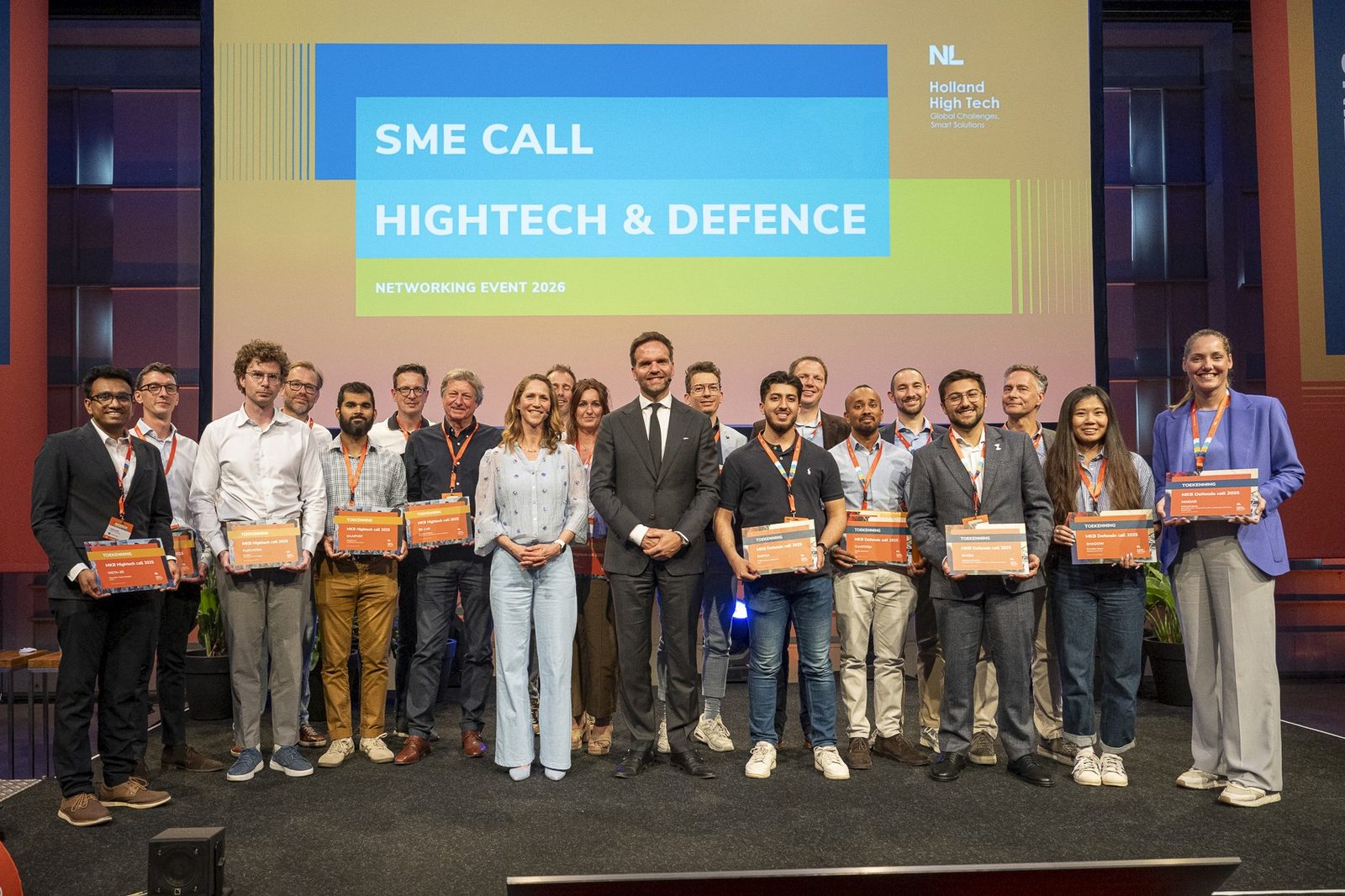
Spherical and NLR have received funding through the Holland High Tech MKB Defensie Call 2025 for the RASSS project, with the award formally presented at a ceremony by the State Secretary for Defence.
Roughly half of radiation-hardened chips in European satellites originate from non-European sources, predominantly American manufacturers subject to ITAR restrictions. While this creates procurement complications for commercial operations, it represents a significant vulnerability in defense infrastructure.
The underlying issue stems from design methodology rather than capability gaps. Radiation resistance is conventionally integrated late in chip development, after architectural choices are finalised. Testing failures necessitate expensive rework across multiple years, deepening reliance on established non-European suppliers.
RASSS addresses this by prioritising radiation considerations during initial design phases, over a 24-month industrial research initiative targeting strategic dependency mitigation.
The project develops a predictive, radiation-aware design workflow incorporating AI-assisted automation and proprietary modules. This approach converts system-level specifications into fabrication-ready, radiation-robust architectures while targeting a 30 % reduction in design iterations. The entire supply chain remains European.
Validation occurs through a proof-of-concept test chip for laser satellite communication terminals, which demand flawless operation in low Earth orbit radiation environments.
Spherical leads semiconductor architecture and workflow development, while the Royal Netherlands Aerospace Centre (NLR) manages radiation physics modelling and experimental validation using heavy ion, proton, and Co-60 gamma testing methodologies.
RASSS advances Spherical from Technology Readiness Level 3–4 to TRL 5–6, transitioning from conceptual methodology to validated prototype status supported by experimental data.